
By Pastor Derrick Morrissette
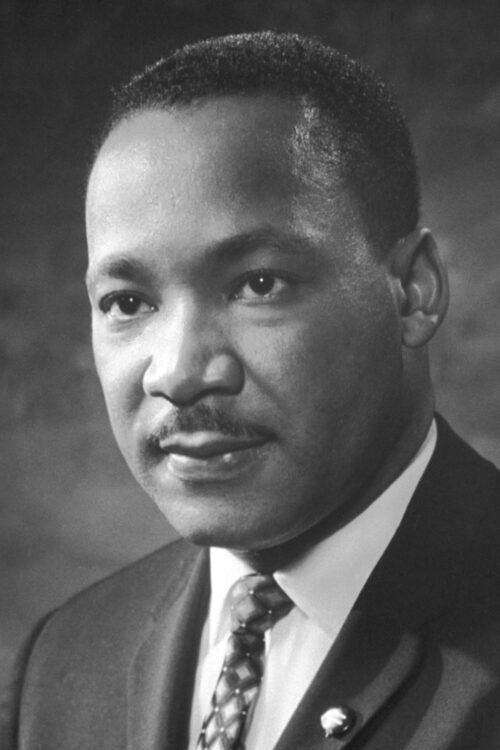
Every year, we quote Dr. Martin Luther King, Jr., replay his speeches, and celebrate his legacy. But the question is: are we still living out his message? For Christian leaders especially, Dr. King’s words are not just historical inspiration—they are a mirror, reflecting how closely our faith aligns with our actions.
Dr. King did not lead from a place of comfort or convenience. As a leader, he understood that leadership is not about titles, platforms, or applause. It is about obedience. His conviction came from a simple but demanding truth: every person is created in the image of God. That belief shaped how he spoke, how he treated his neighbors, and how he viewed the value of all people. In a world that still struggles with inequality and division, people must ask themselves whether they truly believe that truth—or only affirm it in theory.
What made Dr. King’s leadership so powerful was his willingness to embody the teachings of Jesus in real time. Loving enemies, choosing peace over retaliation, and refusing to meet hatred with hatred is not abstract theology—it is costly discipleship. Dr. King showed us that nonviolence is not weakness; it is disciplined, courageous faith in action.
Today, following our feelings and emotions often feels easier than reconciliation—his example challenges people to respond differently. I often say that our feelings simply are “indicators” but should never be the “dictators.” Our feelings are like the caution lights that come on in your car, they tell us something is wrong, but they can’t fix the car. Our feelings and emotions are the same, they show us that something is off, but they can’t fix the problem. We are responsible for restoration and reconciliation.
Dr. King also refused to let the Church remain neutral. He believed that if you don’t stand for something then you are part of the issue. That message still lands close to home. Churches can grow, ministries can flourish and yet still avoid the hard conversations that justice requires. Dr. King reminds us that faith without action is empty, and if nothing changes then nothing changes.
Perhaps the most personal part of Dr. King’s message is his understanding of sacrifice. He knew leadership would cost him something and sometimes everything, and he accepted that cost with humility and resolve. Secular leadership and Christian leadership today often emphasize influence and success, but Dr. King points us back to the cross, where real leadership looks like selfless service, suffering, and surrender to God’s will.
Dr. King’s message still matters because the work is not finished. His legacy challenges us to examine our faith, our leadership, and our willingness to act. Remembering Dr. King is not about honoring the past; it is about taking responsibility for the present. Dr. King’s life reminds us that justice, love, and courage are not optional—they are the heartbeat of the Christian faith and for better families, communities, and nation.
 Derrick Morrissette is a Senior Pastor at Mind of Christ International and a Chaplain for the Alabaster Fire Department.